Kolo
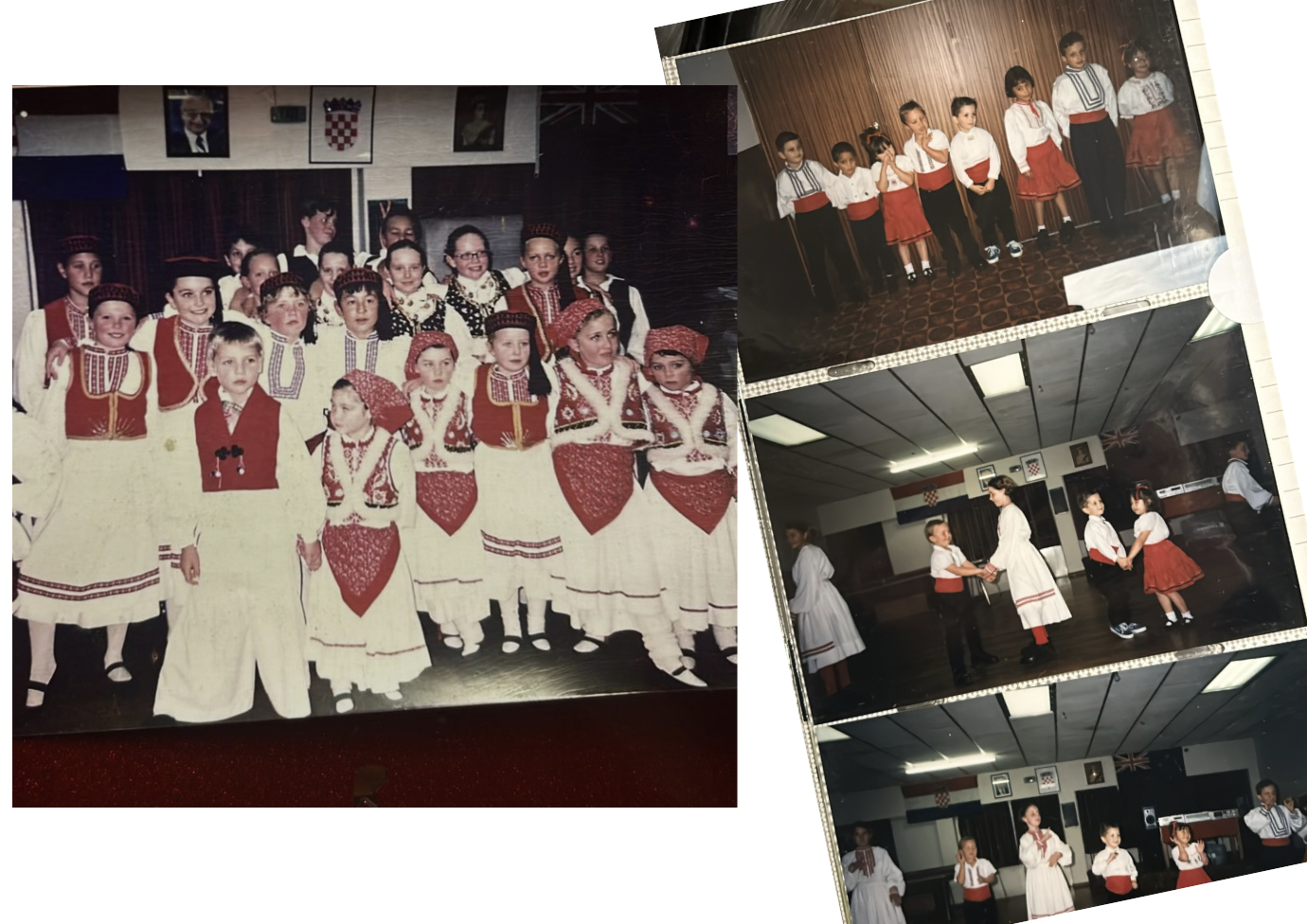
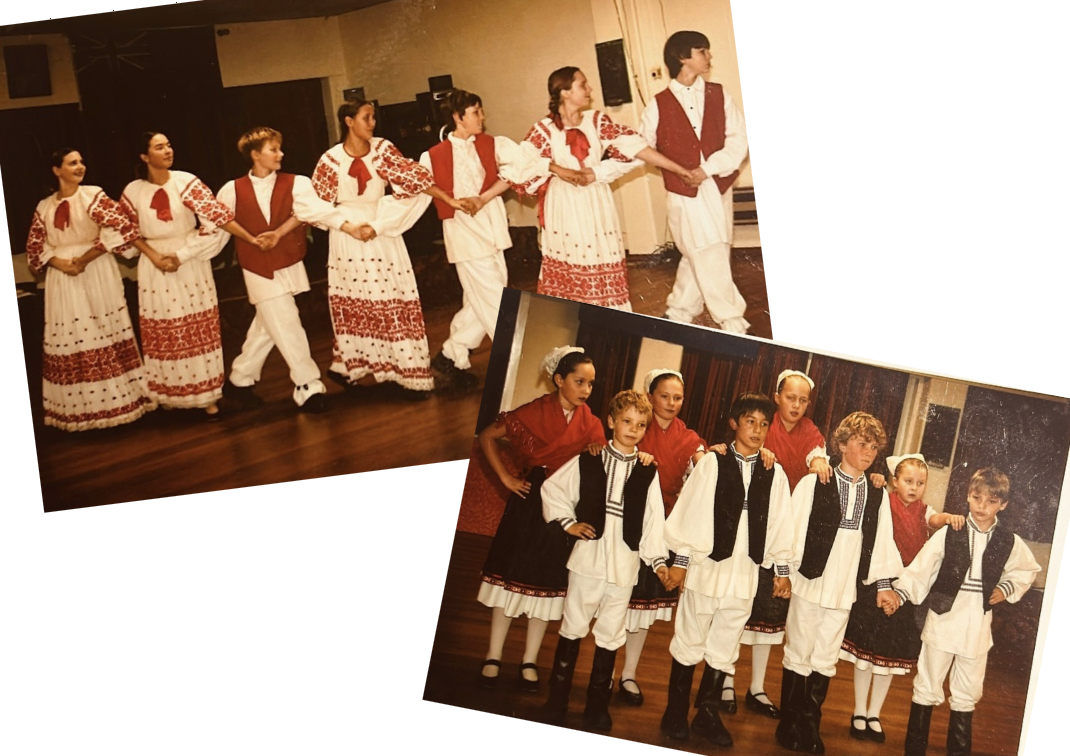
Traditional Croatian dancing is called Kolo, meaning “circle”. Dancers move together in circles or semicircles, hands linked, repeating rhythms and movements passed down through generations. Every region of Croatia has its own style, music and costume, but the essence always remains the same: community, connection and continuity.
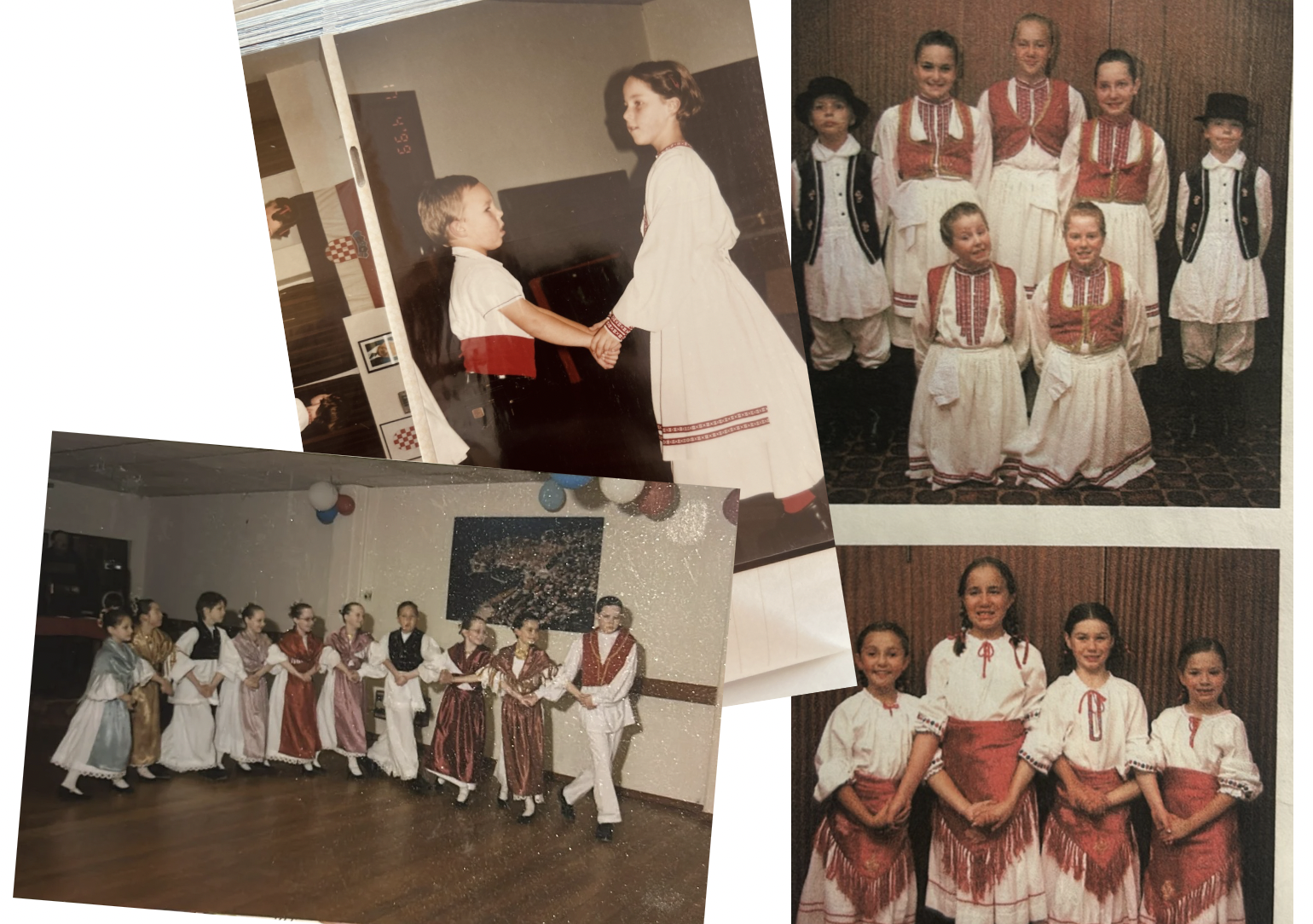
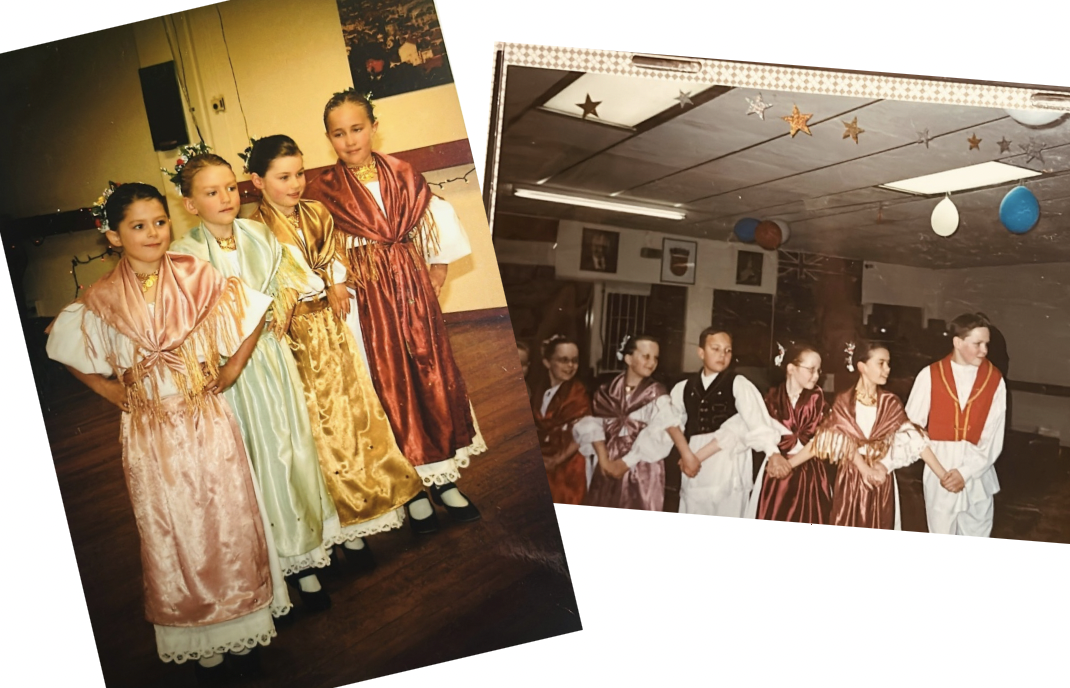
There are things only hindsight can teach you. Some things leave the mind, but stay in the body. The rhythm of songs once danced to. Steps remembered before thought. The feeling of dressing up, standing beside cousins, waiting for the music to begin. A room full of adults cheering you on. At the time, it was simply fun. Only later do you realise how much those moments gave you: joy, connection, identity, a sense of where you come from. The things we inherit quietly often become the things we value most.
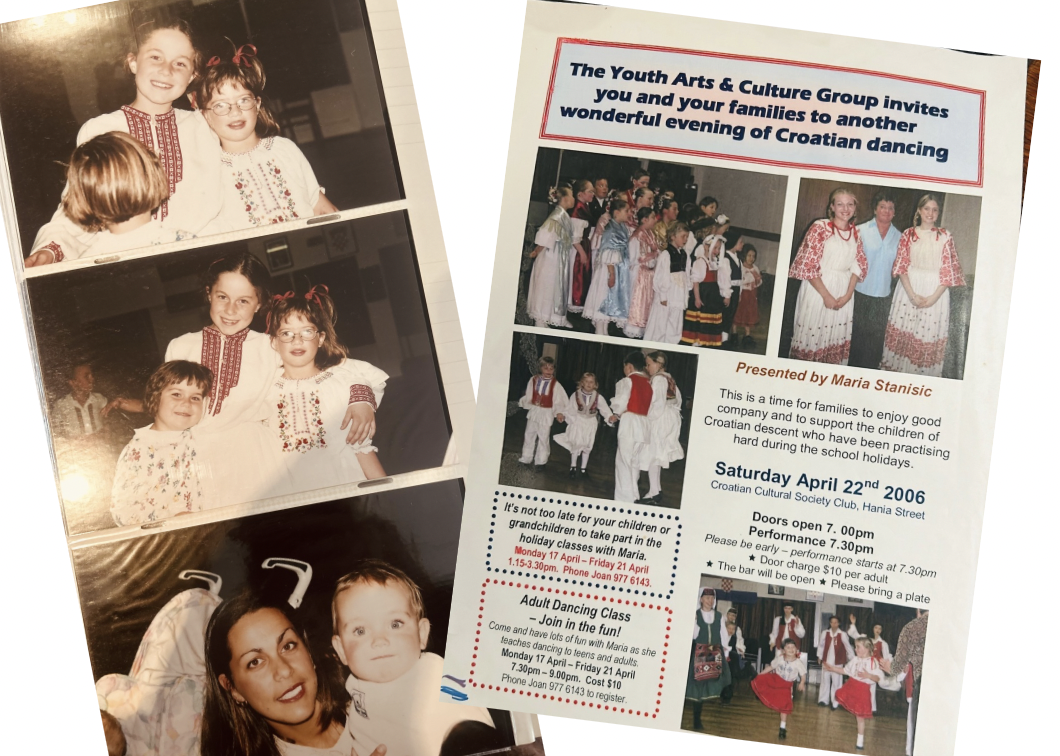
As I’ve grown older and begun learning more about my heritage, those memories have returned with greater meaning. I now understand how much intention existed behind preserving those traditions in the first place. My Grandma and Grandpa were deeply dedicated to keeping Croatian culture alive. When my Grandma Joan wanted to bring Croatian dancing to Wellington, she and my Grandpa travelled to Auckland to meet Marija Stanisic, known to many as “Dancing Marija”, who was teaching at the Auckland Croatian Club at the time. They invited her to come down and teach at the Croatian Club in Wellington, offering to host her in their home whenever she visited.
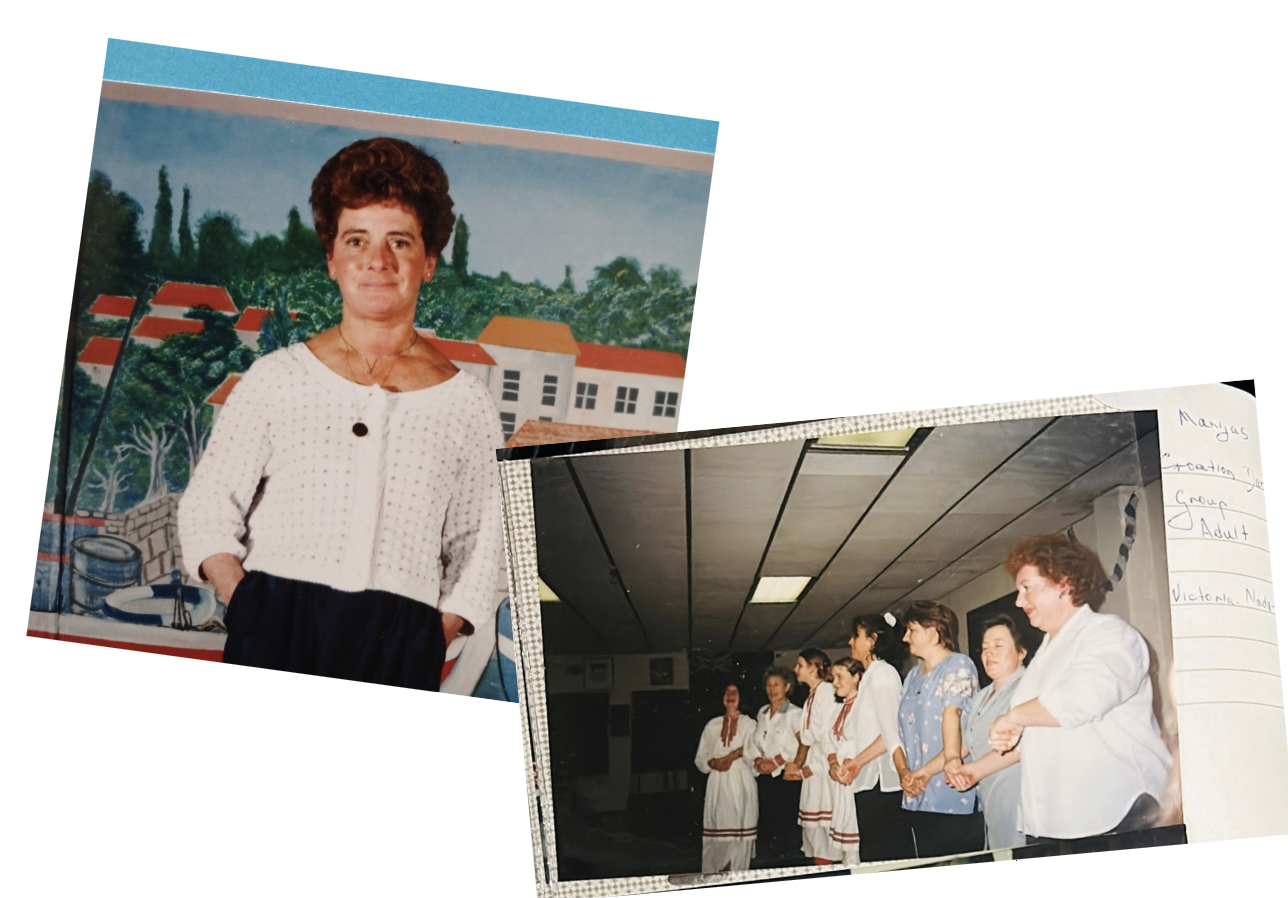
Marija Stanisic (on the left)
Eventually, Marija began travelling down twice a year during the school holidays, something she continued doing for eleven years. We spent hours at the Croatian Club dancing and singing, without fully understanding what was being carried forward around us. There was no money for costumes in the beginning either, so my Grandma gathered a group of women together to cook meals at the club each weekend to raise money for the materials to make them. Marija would also bring costumes down from Auckland for the Wellington children to wear.
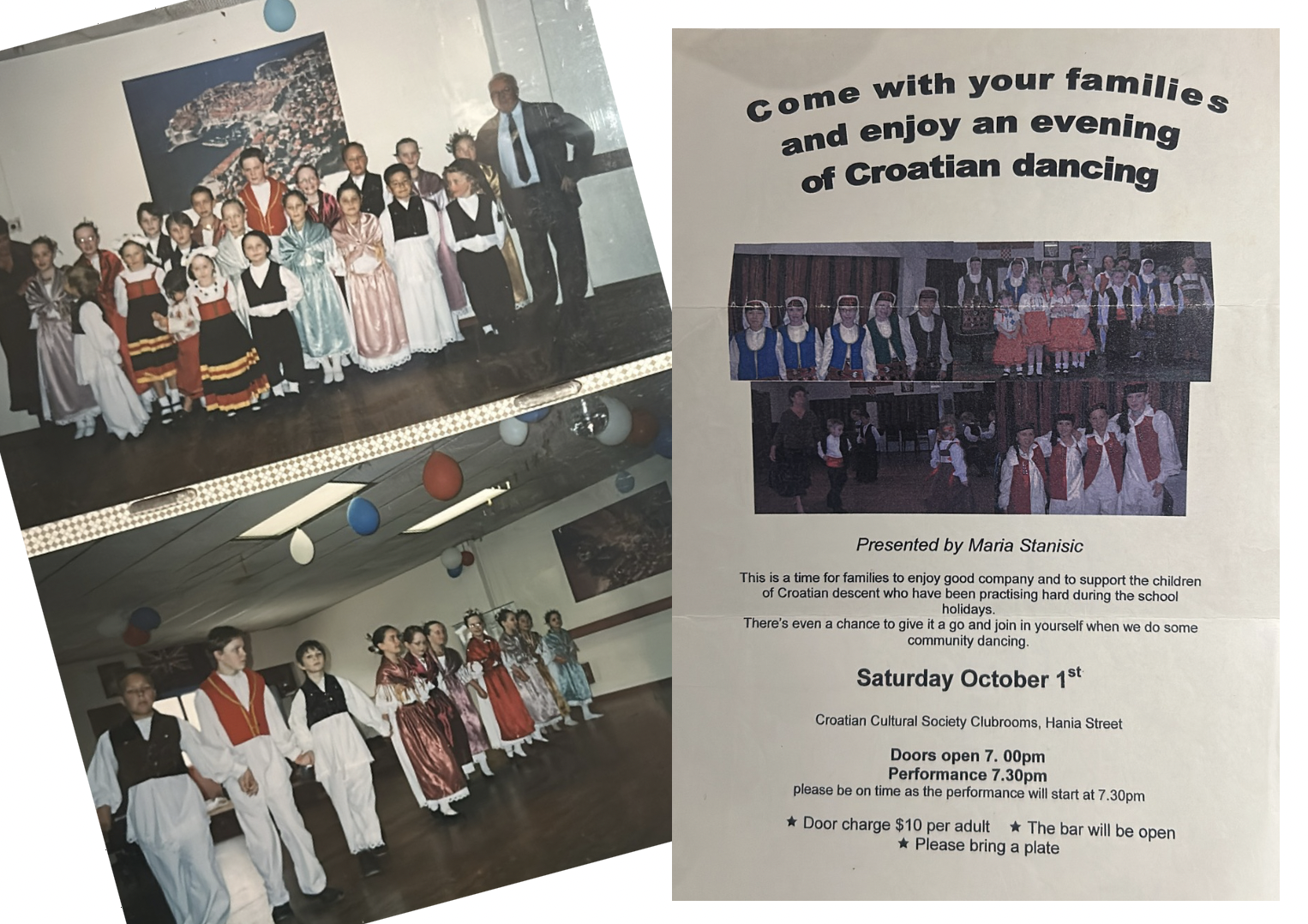
Looking back now, I realise these traditions did not survive accidentally. People made sure they did. Not simply to preserve the dancing itself, but to keep younger generations connected to where they came from. So much of what my Grandma and Grandpa created through Croatian dancing and the club has slowly faded over the years. The gatherings, rehearsals and sense of community that once felt so constant now feel fragile. Sometimes I wish I could step back into the Croatian Club one more time exactly as it was.
My Grandma once said her dream was to go to Croatia and bring people back who could teach language, dancing and traditions, hosting them in her home so the culture could continue to be shared here in Wellington. I think about that often now. One day, I hope to make that dream happen for her. Culture is everything. Not just identity, but connection. To people, place, history and tradition. The things that quietly shape who we become before we even realise it.